Fission Asexual Reproduction Artist & Creator Videos #617
Begin Immediately fission asexual reproduction deluxe content delivery. Pay-free subscription on our binge-watching paradise. Be enthralled by in a treasure trove of featured videos unveiled in 4K resolution, optimal for high-quality viewing enthusiasts. With current media, you’ll always get the latest. See fission asexual reproduction hand-picked streaming in sharp visuals for a remarkably compelling viewing. Access our network today to view private first-class media with no payment needed, subscription not necessary. Stay tuned for new releases and venture into a collection of special maker videos crafted for prime media followers. Seize the opportunity for unseen videos—download now with speed! Discover the top selections of fission asexual reproduction singular artist creations with flawless imaging and selections.
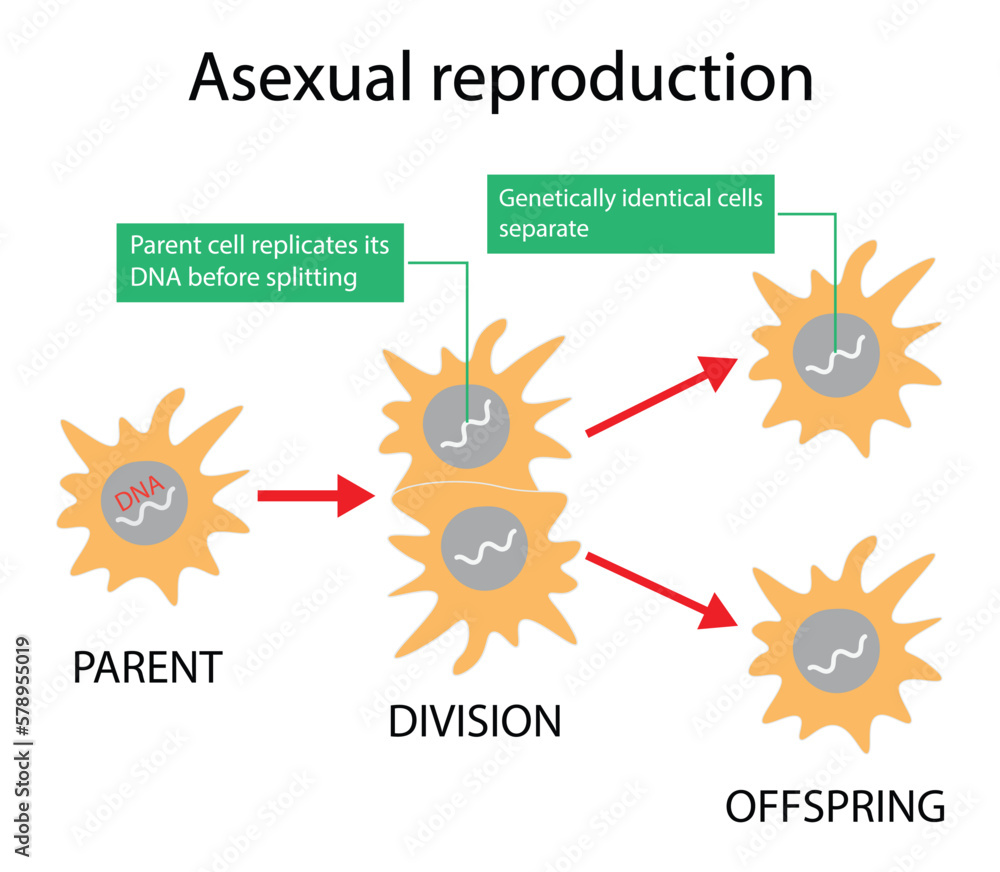
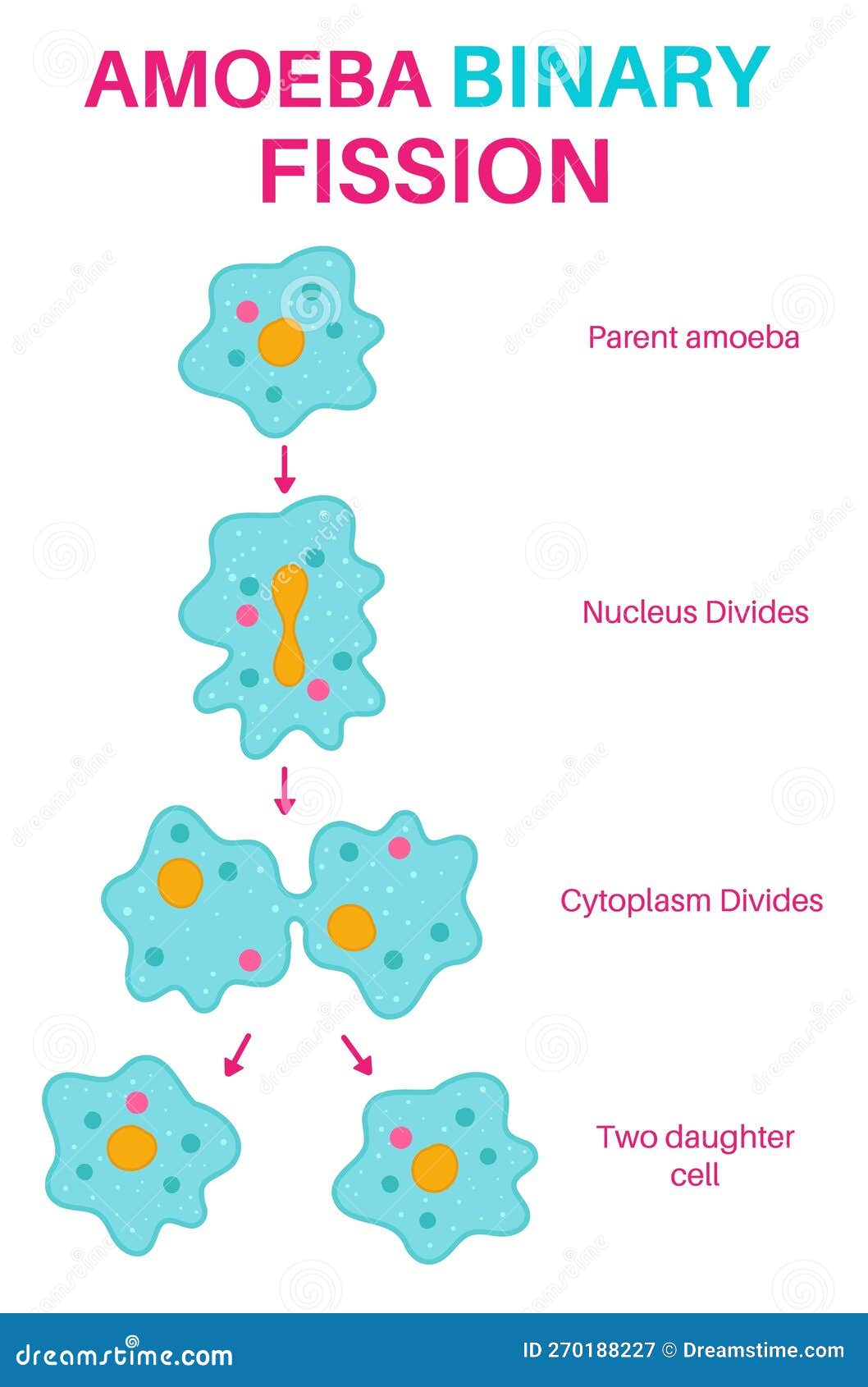
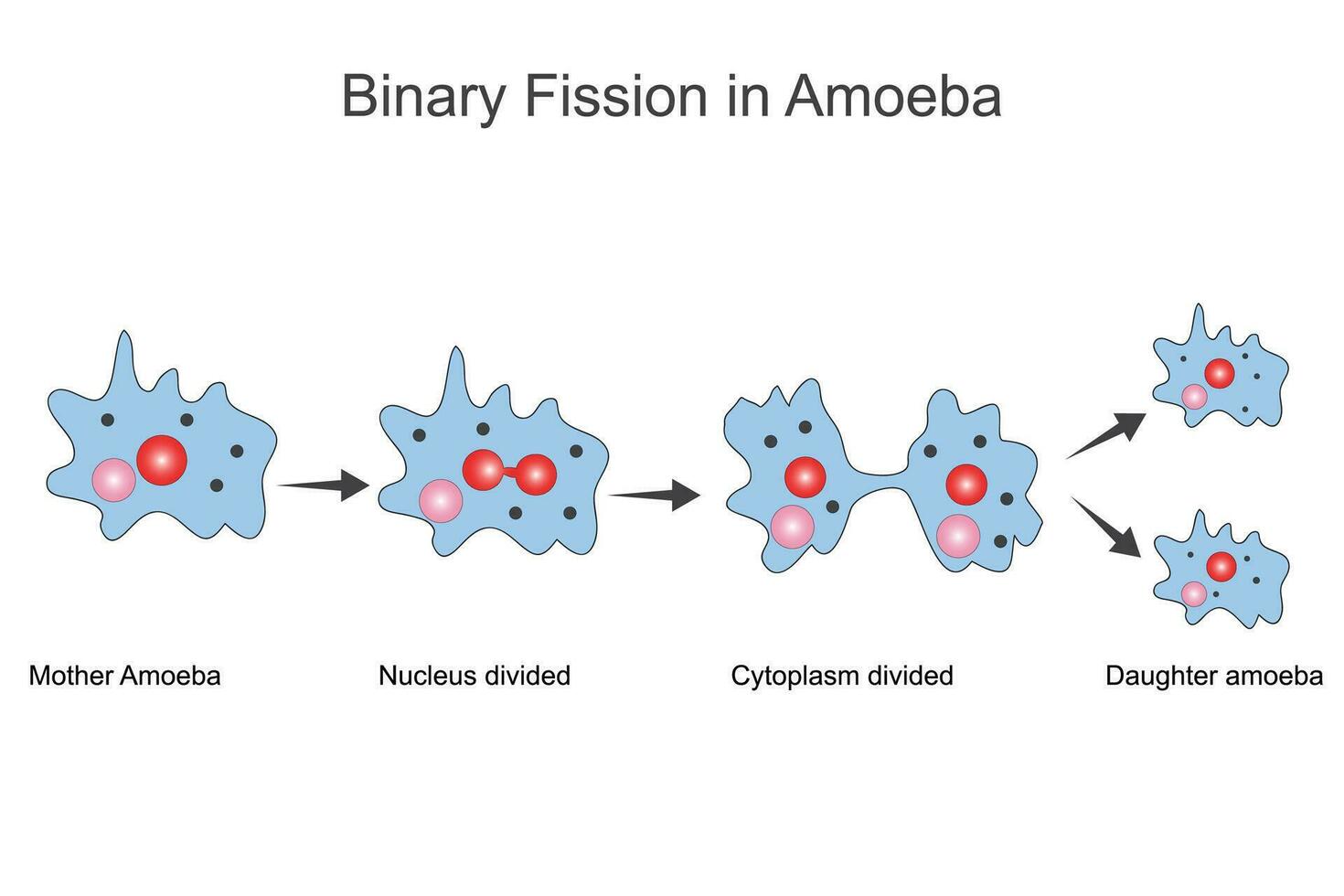
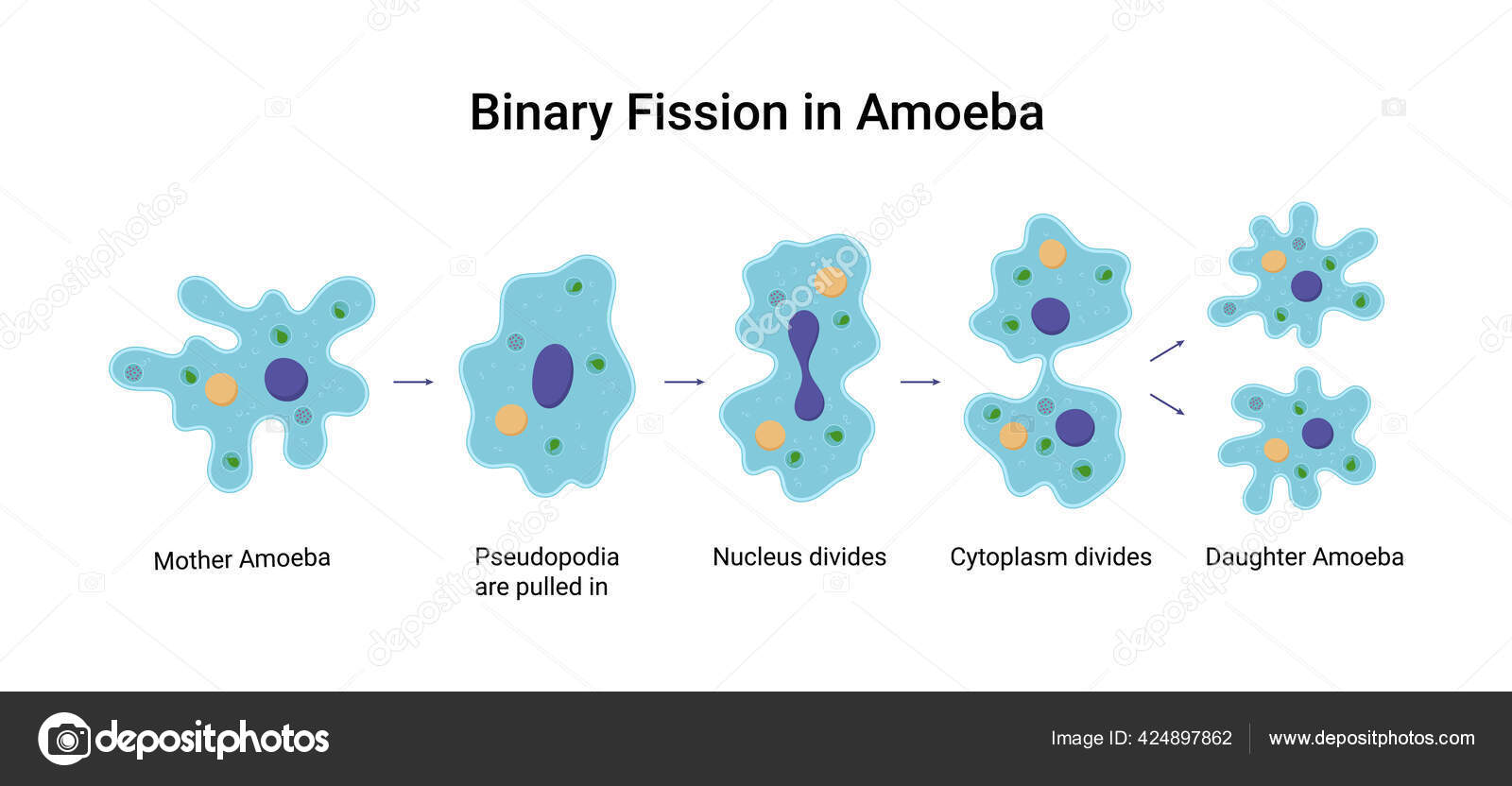
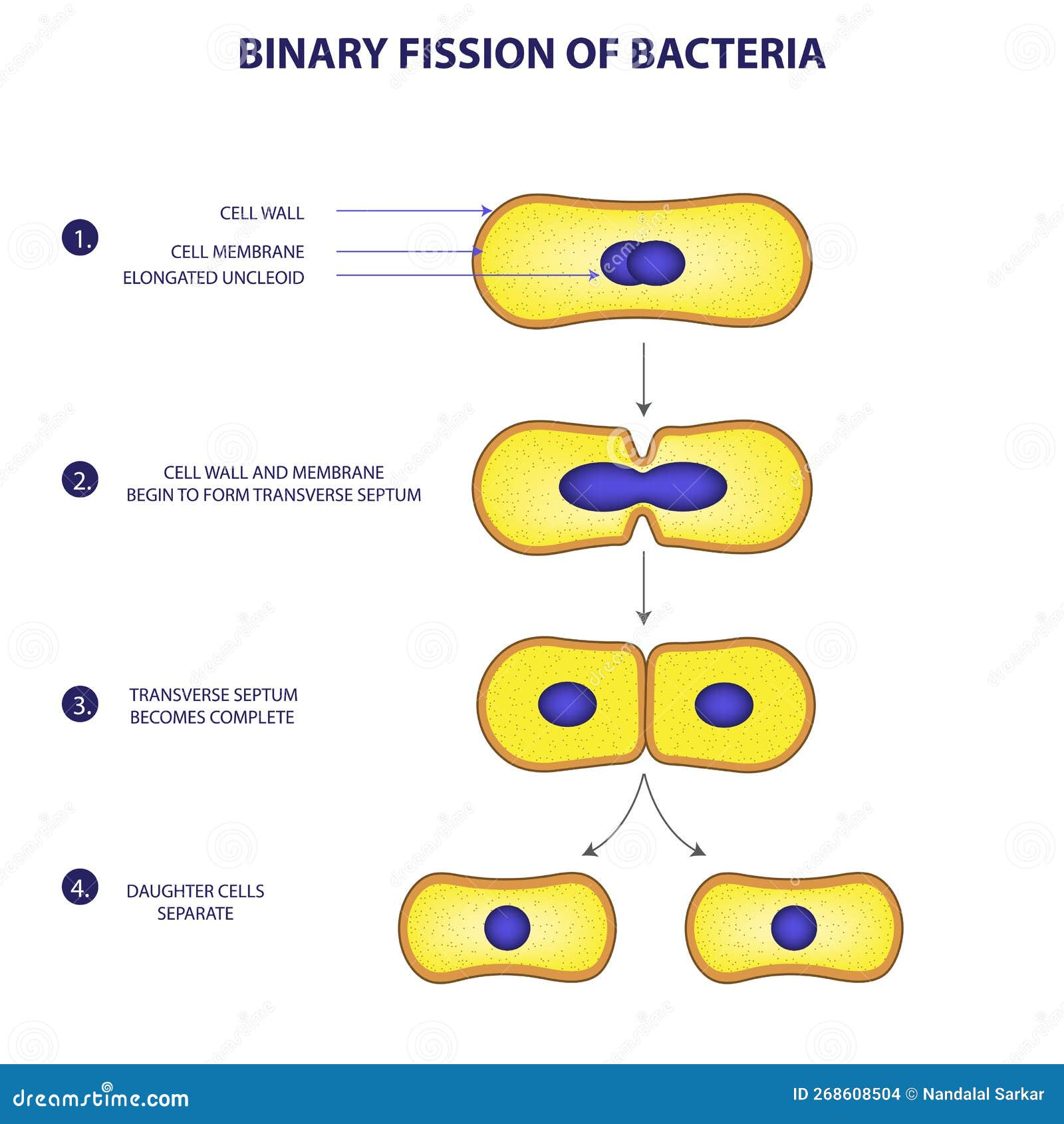
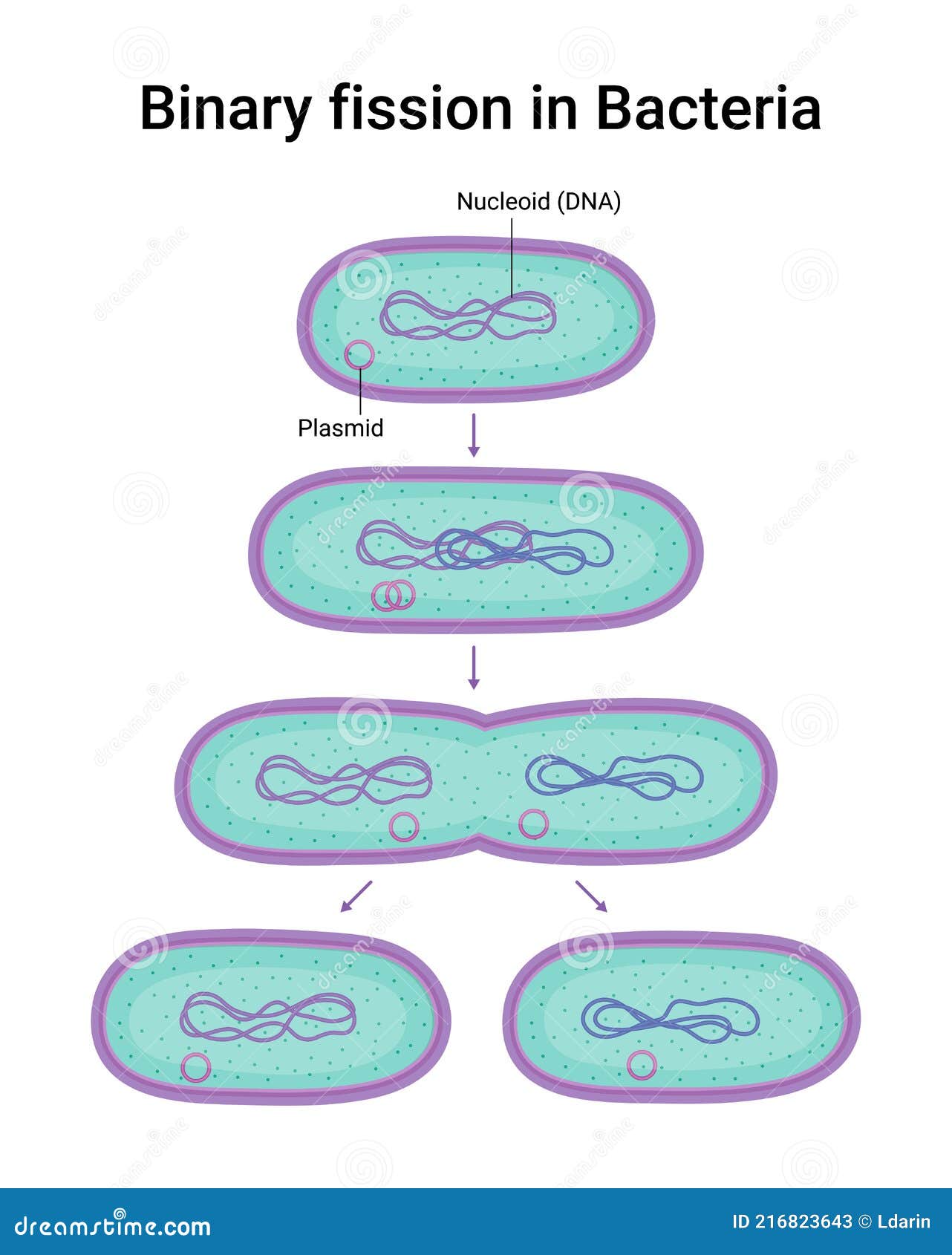
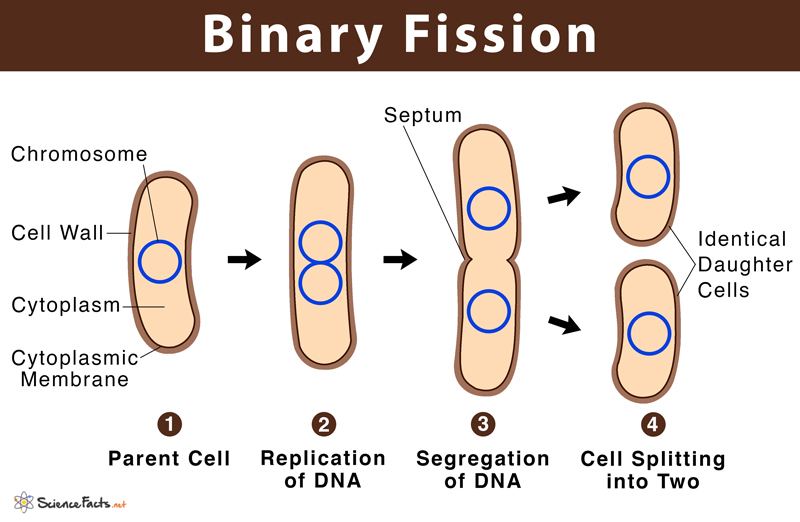
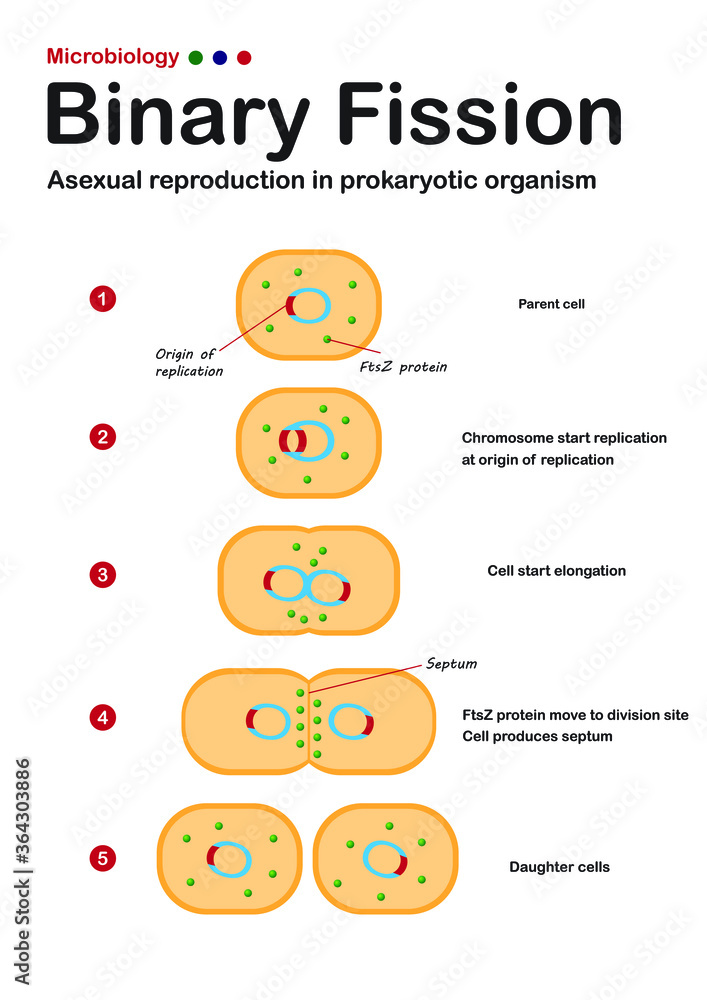
Binary fission, asexual reproduction by a separation of the body into two new bodies Asexual reproduction produces offspring that are genetically identical to the parent because the offspring are all clones of the original parent In the process of binary fission, an organism duplicates its genetic material, or deoxyribonucleic acid (dna), and then divides into two parts (cytokinesis), with each new organism receiving one copy of dna.
Binary fission definition binary fission is the process through which asexual reproduction happens in bacteria This form of reproduction is called asexual as the process doesn't involve the formation or fusion of gametes. During binary fission, a single organism becomes two independent organisms
Binary fission also describes the duplication of organelles in eukaryotes
Mitochondria and other organelles must reproduce via binary fission before mitosis so each cell has ample organelles A brief look at five types of asexual reproduction Binary fission, budding, parthenogenesis, spores, and fragmentation. Binary fission, meaning 'getting divided into half' is a type of asexual reproduction where a single living cell grows twice its size and then splits to form two identical daughter cells, each carrying a copy of the parent cell's genetic material
Examples of cells that use binary fission for division bacteria, archaea, and cyanobacteria (prokaryotes), as well as amoeba and paramecium. This form of asexual reproduction and cell division is also used by some organelles within eukaryotic organisms (e.g., mitochondria) Binary fission results in the reproduction of a living prokaryotic cell (or organelle) by dividing the cell into two parts, each with the potential to grow to the size of the original. Types of asexual reproduction with examples binary fission the first type of asexual reproduction is binary fission, where an organism splits or divides in such a plane, producing two identical microorganisms
It mainly occurs in protozoans like amoeba, paramecium, vorticella, and euglena and lowers metazoans like coelenterates, turbellarians, and annelids.
This process involves a parent cell splitting into two genetically identical daughter cells It is the most common form of reproduction for prokaryotes, such as bacteria, resulting in two new organisms from a single parent. Binary fission differs from other types of fission in that Only two parts are formed from a single entity