Manduca Sexta Life Cycle 2026 Content Release #935
Start Streaming manduca sexta life cycle VIP webcast. Without subscription fees on our video portal. Step into in a boundless collection of curated content brought to you in flawless visuals, excellent for top-tier streaming geeks. With up-to-date media, you’ll always get the latest. Encounter manduca sexta life cycle themed streaming in stunning resolution for a absolutely mesmerizing adventure. Become a patron of our entertainment hub today to experience content you won't find anywhere else with zero payment required, no strings attached. Get access to new content all the time and uncover a galaxy of singular artist creations intended for prime media addicts. Seize the opportunity for singular films—rapidly download now! Witness the ultimate manduca sexta life cycle special maker videos with breathtaking visuals and staff picks.
Meet the tobacco hornworm (manduca sexta), a member of the lepidoptera order that emerges as a moth in adulthood Bell and joachim, 1976) and its large size have promoted the use of this insect as a general lepidopteran representative for many. Most common throughout the southern and gulf coast states, this caterpillar is easily recognizable due to its distinct green hue, vertical lines trailing down each side, and its horn located on the posterior of its abdomen.
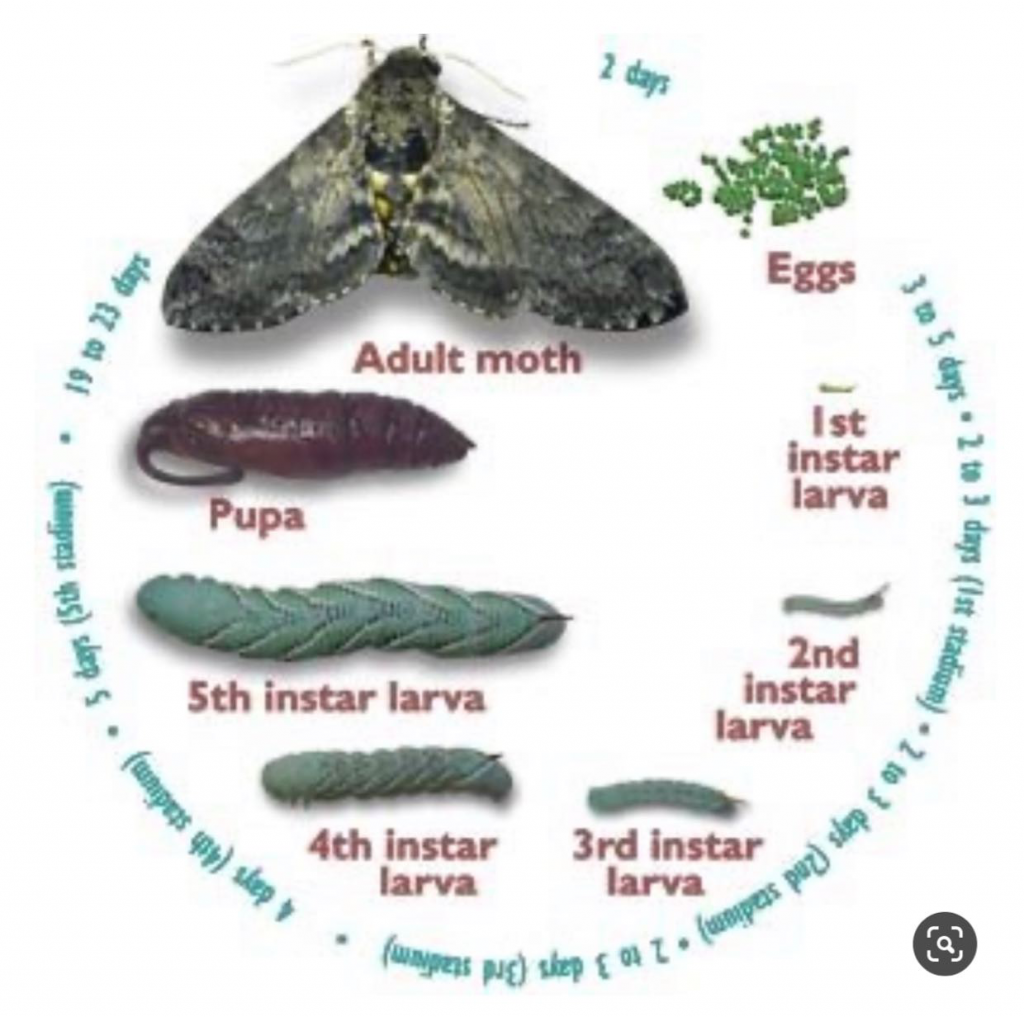
M. sexta life cycle and the 67 Illumina RNA-seq datasets. Bars in the
Sexta has mechanisms for selectively sequestering and secreting the neurotoxin nicotine present in tobacco The development of controlled laboratory rearing techniques (yamamoto, 1969 Sexta is a common model organism, especially in neurobiology, due to its easily accessible nervous system and short life cycle.
Scientific name manduca quinquemaculata, manduca sexta (most common) hosts homworms feed primarily on solanaceous plants
These, include tobacco, tomato, eggplant, pepper, potato, and certain weeds Tobacco and tomato plants are preferred for oviposition Symptoms the larvae consume large amounts of foliage and 2 or 3 large larvae can virtually defoliate even a large plant Carolina sphinx moth/tobacco hornworm (manduca sexta) the carolina sphinx moth, or tobacco hawk moth, is a part of the sphingidae family indigenous to different parts of the united states, central america, and the caribbean islands
This species is more popular as tobacco hornworm, a name by which its larva is called. Adult tobacco hornworm, manduca sexta (linnaeus) John capinera, university of florida two generations because many pupae enter diapause The life cycle can be completed in 30 to 50 days, but often is considerably protracted due to cold weather or diapause.
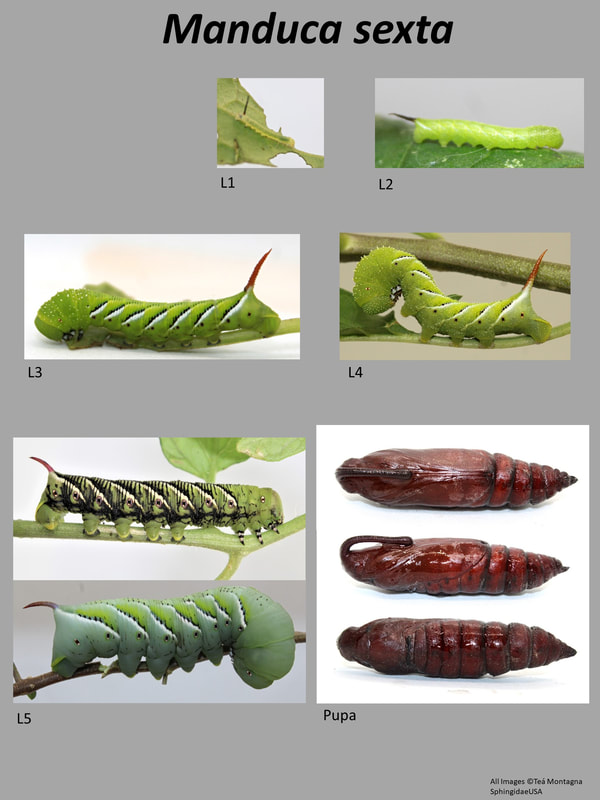
Manduca sexta larvae undergo four or five instars, gradually increasing in size to about 8 cm (~3 in) in length in the final instar (deel 1999, encyclopedia of life 2017)
The tobacco hornworm looks very similar to tomato hornworm, manduca quinquemaculata (figure 5), and their range and host plants can overlap. Manduca anatomy & life cycle manduca life cycle Manduca, along with the beetles, ants, bees, wasps, and flies, display the form of development seen in many insect species, a complete metamorphic change The adult looks much different than the larva and pupa.
Manduca sexta, the tobacco hornworm (larvae) or carolina sphinx moth (adults), is large moth in the family sphingidae (hawk moths or hummingbird moths). The manduca sexta, commonly known as the tobacco hornworm, is a fascinating species of moth that undergoes a complex life cycle This cycle consists of four distinct stages Egg, larva, pupa, and adult

Each stage plays a crucial role in the development and survival of the species.
The tobacco hornworm, manduca sexta (l.), is a multivoltine leaf feeder that grows rapidly up to 10 g in the larval stage and has been studied since the start of the tobacco industry