Booster Leak Complete Media Collection #919
Begin Now booster leak signature digital media. Zero subscription charges on our media hub. Become one with the story in a enormous collection of shows featured in 4K resolution, a must-have for first-class streaming viewers. With the newest additions, you’ll always stay updated. Watch booster leak preferred streaming in photorealistic detail for a absolutely mesmerizing adventure. Register for our video library today to feast your eyes on special deluxe content with absolutely no charges, no recurring fees. Benefit from continuous additions and navigate a world of exclusive user-generated videos engineered for superior media junkies. Make sure to get exclusive clips—instant download available! Treat yourself to the best of booster leak specialized creator content with breathtaking visuals and curated lists.
Boost leaks can affect your engine's performance Boost leaks can cause a reduction in engine power output, slow turbo. Here are the 6 most common symptoms of a boost leak and a guide on how you can find it
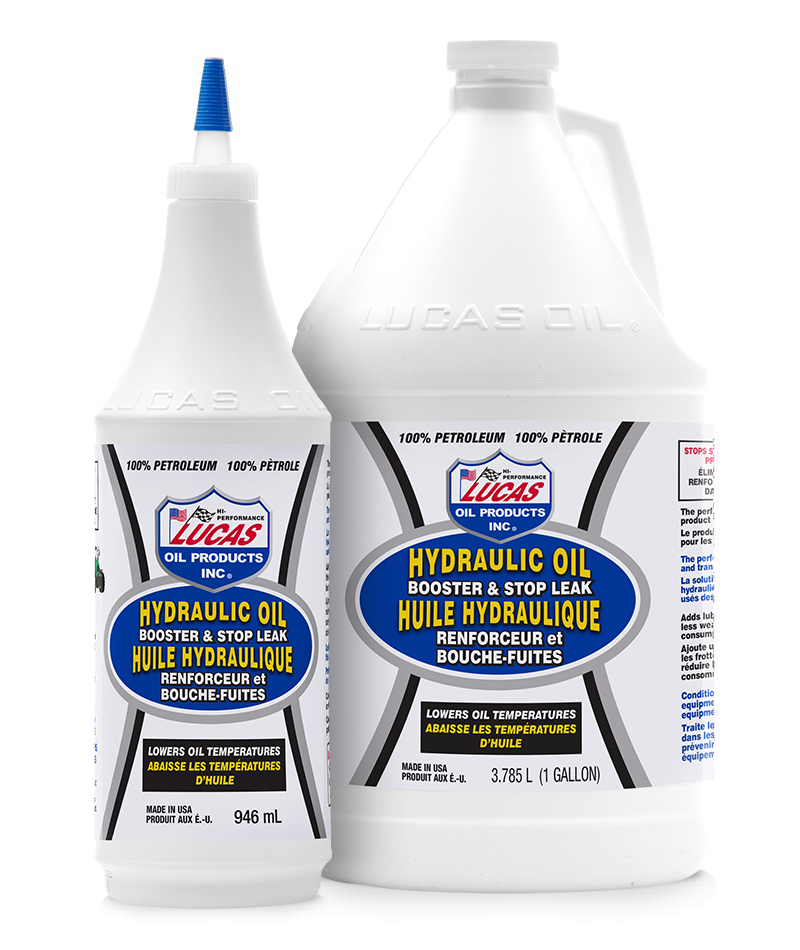
Hydraulic Oil Booster & Stop Leak | Lucas Oil Products
A leak in the car's brake booster might be referred to as a vacuum or fluid leak It is a type of air leak in the intake path that allows air to escape before it reaches the engine cylinders But how can you tell if there's a vacuum or fluid leak in the brake booster
The simplest way to find out is to look for symptoms
Typical fluid leak in brake booster symptoms include Increased braking distance, strange noises from your brakes, or a noticeable drop in brake fluid levels, while the common. Brake booster vacuum hose leak cause misfire symptoms a brake booster vacuum hose leak introduces unmeasured air The engine runs lean. this lean condition causes misfires
Symptoms include a rough idle and engine hesitation You might hear a distinct hissing sound. If there's a leak, you can often see bubbles forming or water getting sucked in, identifying the source of the issue You might also find that it's the brake booster hose that's collapsed or leaking rather than the brake booster itself.
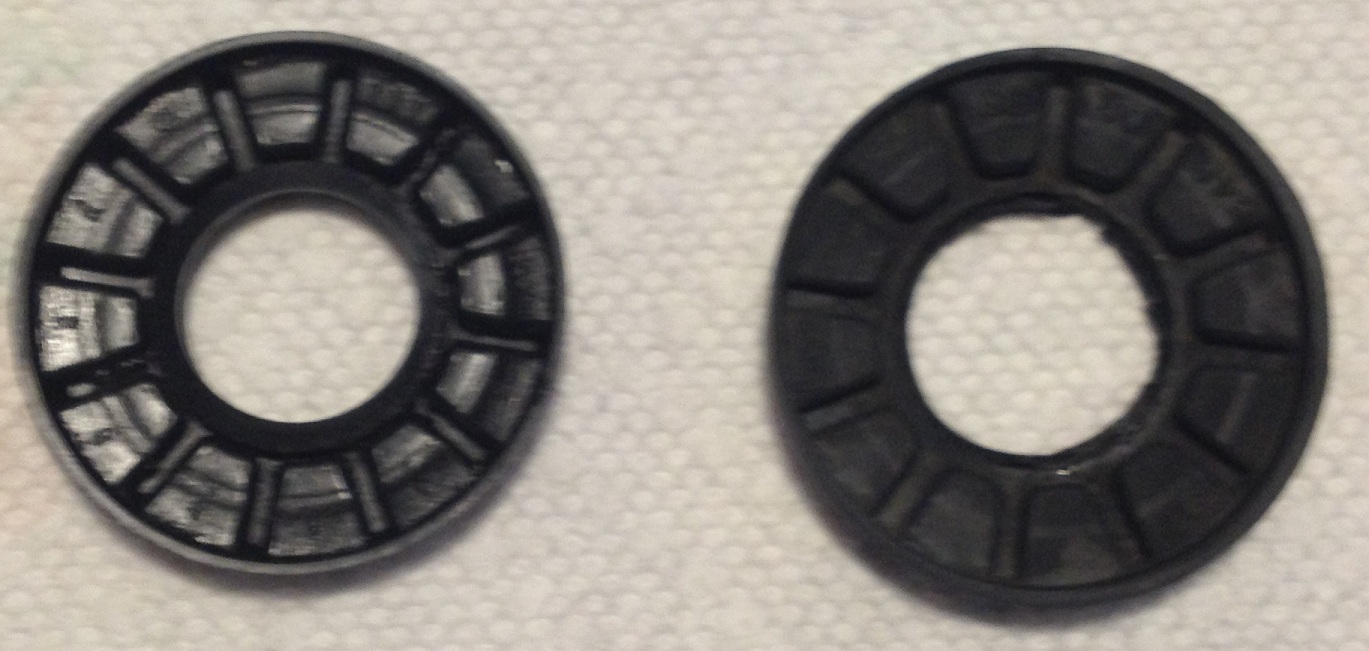
But what happens when this vital component starts to leak air
A leaking brake booster can significantly compromise your braking performance, leaving you vulnerable in critical situations Understanding the causes, symptoms, and repair process for a leaking brake booster is essential for ensuring your safety and the safety of others on the road. The best thing you can do if you notice that your vehicle's stopping distance is increasing is to inspect the brake booster for a leak If you identify a leak between the brake booster and the master cylinder, you'll have to figure out which component is leaking.
T he most common symptom of a bad brake booster is an increased braking distance or stiffness of the brake pedal T he most common cause is a vacuum leak, either within the vacuum hose or the brake booster itself So, if your vehicle's brakes no longer feel as tight or responsive as they once did, there may be a problem with the brake booster. A brake booster is a crucial component of a vehicle's braking system, enhancing the driver's ability to apply braking force by amplifying pedal input
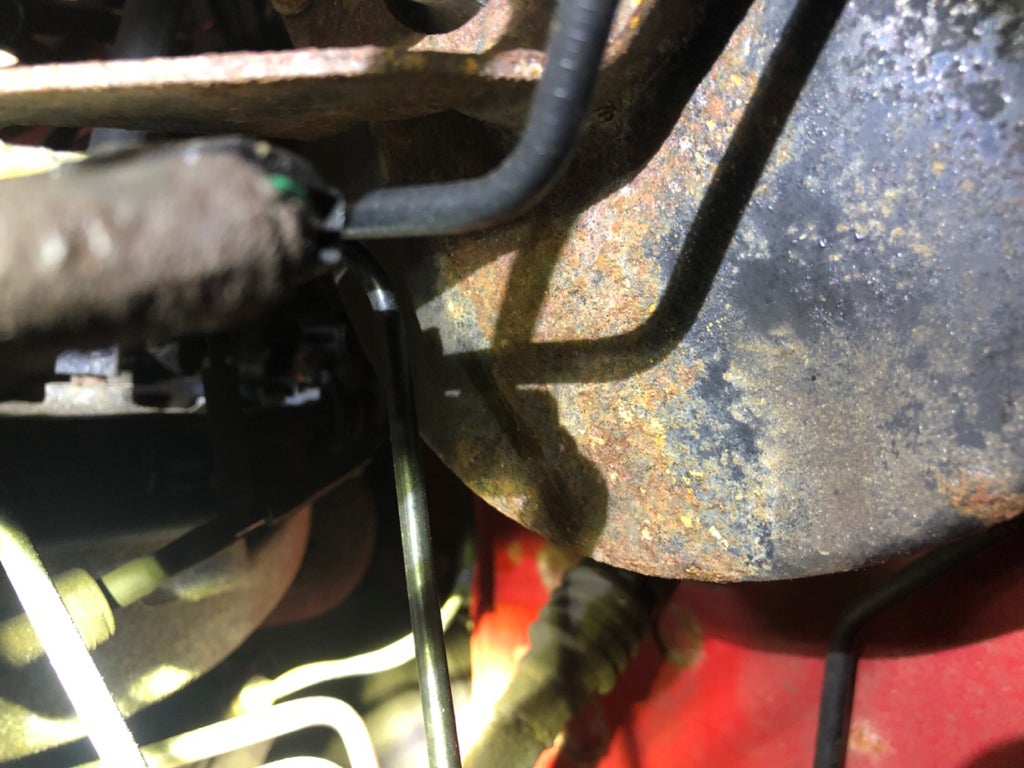
However, over time, brake boosters can develop leaks, compromising their functionality and potentially leading to diminished braking performance
A vacuum leak in your vehicle's brake booster can result in decreased braking efficiency, leading to unsafe driving conditions Understanding how to identify and rectify this issue is crucial for any car owner In this comprehensive guide, we will explore the signs of a vacuum leak, how to diagnose the problem, and effective methods to fix it. The main difference between a boost leak and a vacuum leak in an engine is the location of the leak in the intake system
A boost leak occurs after the turbocharger or supercharger and before the engine cylinders