Dye Leak Test Complete Content Download #645
Get Started dye leak test top-tier video streaming. No subscription fees on our cinema hub. Engage with in a boundless collection of themed playlists offered in HDR quality, the best choice for exclusive viewing buffs. With the freshest picks, you’ll always be ahead of the curve. Seek out dye leak test recommended streaming in amazing clarity for a sensory delight. Link up with our video library today to check out special deluxe content with absolutely no charges, access without subscription. Get fresh content often and journey through a landscape of bespoke user media created for superior media connoisseurs. You have to watch special videos—begin instant download! Explore the pinnacle of dye leak test bespoke user media with true-to-life colors and members-only picks.
Why is a dye leak test important Read more about using penetrant testing products to inspect for leaks by using fluorescent or visible/colored penetrant to enhance visual detection of leaks. Having leaks is detrimental to a product's lifecycle
Dye Leak Testing in Medical Packaging | Packaging Compliance Labs
Hazardous biological or particle contaminants can enter a device through seal defects, which are usually found along or near a package's seal The dye solution mimics the characteristics of liquid. Astm f1929 standard test method for detecting seal leaks in porous medical packaging by dye penetration is a dye penetration package integrity test used by package engineers that is designed to detect and locate leaks caused by channels formed between a transparent film and a porous material.
Dye leak test the astm f1929 is intended to identify seal integrity defects, such as channels, voids, incomplete seals, or other defects of the sterile barrier
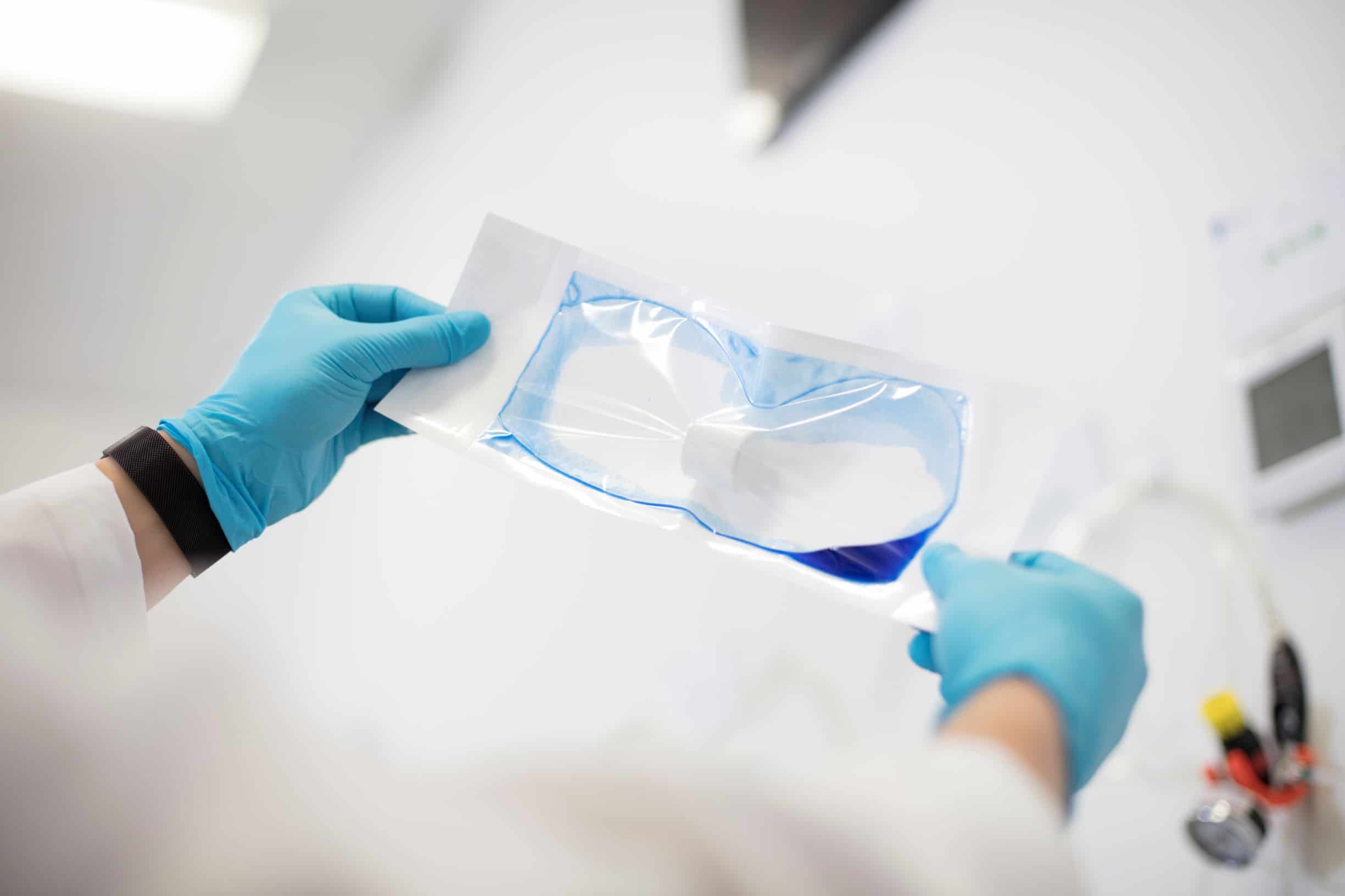
The test is most often used when the sealed material includes transparent film on one side and a porous sheet material Also, known as the liquid penetration test, the dye penetrant test is widely used to detect surface discontinuities like cracks, fractures, porosity, grinding defects, incomplete fusion, leaks, impact fractures, pinholes, laps, and flaws in joints. Visual inspection test example a technician inspects a medical device pouch after applying a blue dye solution along its seal Any dyed fluid seeping through indicates a microscopic channel leak in the seal
Dye penetration testing is widely used for sterile medical packaging (e.g Tyvek pouches) to ensure no paths exist for bacteria to enter. Dye ingress testing is a vital tool for ensuring package integrity, particularly in industries where sterility and product safety are paramount By adhering to usp 1207 guidelines and following best practices, manufacturers can confidently use this method to detect leaks and maintain compliance with global regulatory standards.
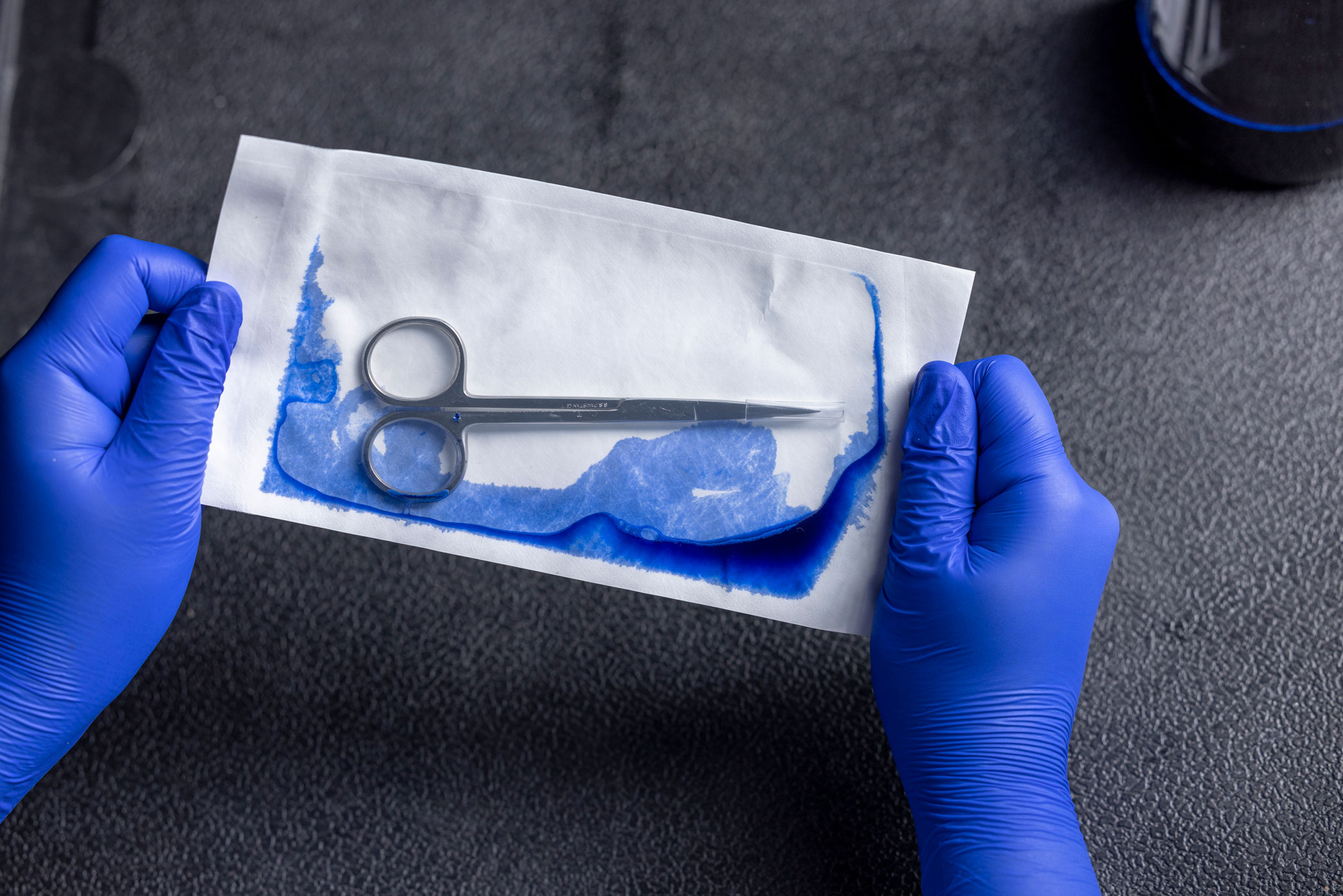
A dye penetrant solution is applied locally to the seal edge to be tested for leaks
After contact with the dye penetrant for a specified time, the package is visually inspected for dye penetration 1.2 three dye application methods are covered in this test method Injection, edge dip, and eyedropper. Dye penetration testing sterilized medical device packages and other packages can be tested for seal leaks through dye penetration testing
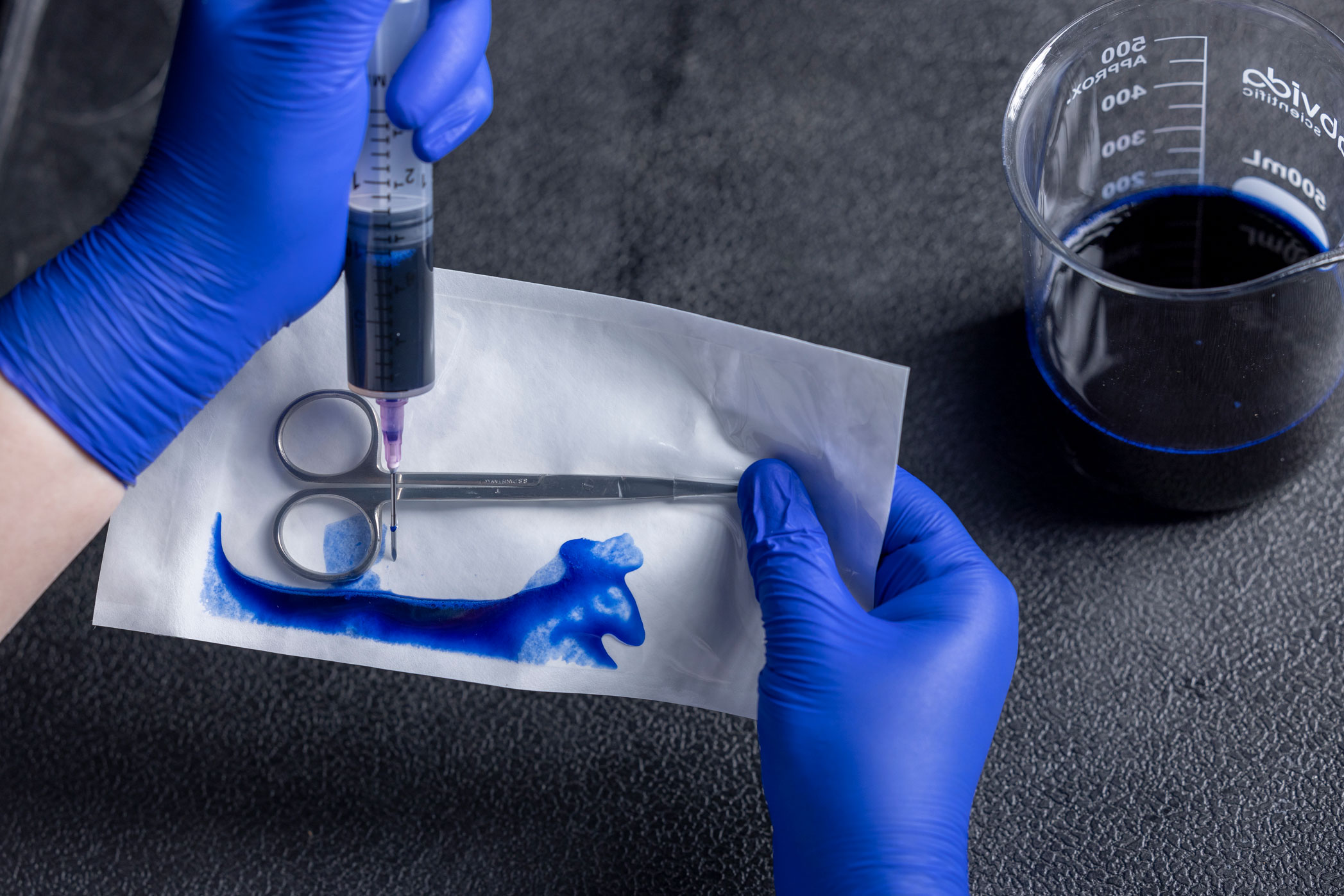
The first and most common method for dye penetration testing is the injection method For the injection method, dye solution is injected to cover the longest package edge to a depth of 1/4 inch. A blue dye leak test, also known as a blue dye migration test or blue dye penetration test, is a method used to assess the integrity of packaging materials, particularly in the context of preventing leaks