C++ Memory Leak Content From Video Creators #629
Watch For Free c++ memory leak first-class digital broadcasting. No subscription fees on our media source. Delve into in a treasure trove of content exhibited in Ultra-HD, great for deluxe viewing devotees. With current media, you’ll always keep current. Uncover c++ memory leak organized streaming in incredible detail for a truly enthralling experience. Become a part of our network today to enjoy exclusive prime videos with no charges involved, no need to subscribe. Experience new uploads regularly and delve into an ocean of unique creator content optimized for prime media aficionados. Don't forget to get never-before-seen footage—download immediately! See the very best from c++ memory leak specialized creator content with impeccable sharpness and editor's choices.
In c++, memory leak is a situation where the memory allocated for a particular task remains allocated even after it is no longer needed Detecting memory leaks is more art than science, requiring a deep understanding of how your application manages memory and the tools at your disposal for monitoring and debugging. This leads to the wastage of memory because it is unavailable for other tasks till the end of the program.
Memory Leaks in C++: Causes, Tools & How to Avoid them?
I am a c++ programmer on the windows platform In c++, where manual memory management is a common practice, the risk of leaks is notably higher compared to languages with automatic garbage collection I am using visual studio 2008
I usually end up in the code with memory leaks
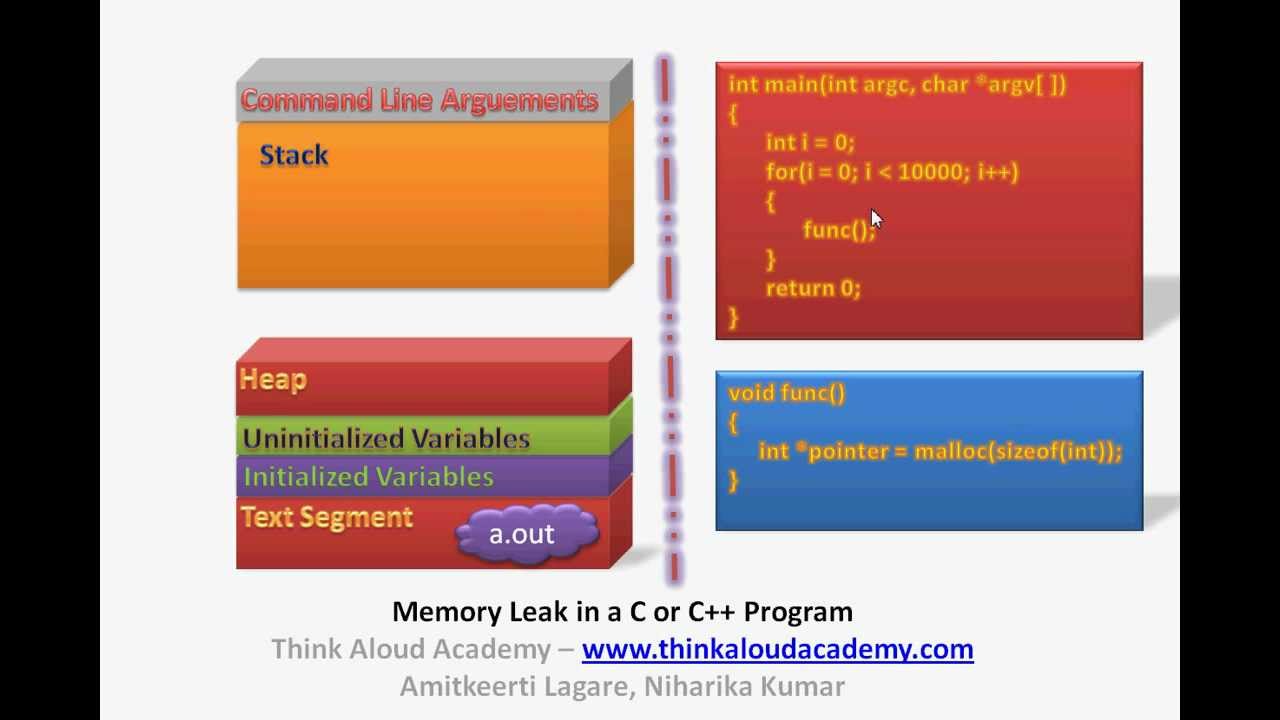
Normally i find the memory leak by inspecting the code, but it is Discover tools and techniques to detect and fix memory leaks for good. Memory leaking happens in c++ when programmers allocate memory by using the new keyword but fail to deallocate the memory by using the delete() function or the delete[] operator This results in memory being lost
Memory leakage is caused by the incorrect delete operator most of the time The delete[] operator may release data in an array. A memory leak occurs when a program allocates memory but fails to release it after the memory is no longer needed, leading to a progressive reduction in the available memory during execution This article dives into the causes of memory leaks, the tools available to detect them, and best practices to avoid memory leaks in c++.
Even the most stable of windows applications are not immune to resource leaks
And of all the bugs and issues, memory leak detection tends to be the most difficult, especially when found in gdi objects and menus And the golden rule of. Memory leaks are a common and serious problem in c++ programming They occur when dynamically allocated memory using operators like new or functions like malloc from the heap is not properly deallocated using delete or free, resulting in slow system resource utilization, degraded performance, and potential program crashes.
Memory leaks can be aptly described as the silent killers of application performance They lurk in the shadows, hidden from the immediate view of developers, eating up precious resources.