Vacuum Leak Sound Updated Files For 2026 #842
Play Now vacuum leak sound premium content delivery. Gratis access on our video portal. Delve into in a large database of expertly chosen media made available in flawless visuals, flawless for premium streaming enthusiasts. With trending videos, you’ll always have the latest info. stumble upon vacuum leak sound recommended streaming in gorgeous picture quality for a completely immersive journey. Join our creator circle today to witness exclusive premium content with 100% free, subscription not necessary. Get fresh content often and experience a plethora of bespoke user media tailored for top-tier media addicts. Act now to see unique videos—download now with speed! Experience the best of vacuum leak sound specialized creator content with breathtaking visuals and special choices.
Learn the most common symptoms of a vacuum leak, what parts could cause it and how you can find it easily with or without special tools fast and effective. Any disruption in this balance can cause a vacuum leak, typically occurring due to a crack or disconnection in a vacuum line or other components. Understanding how to identify a vacuum leak by sound is essential for vehicle owners, as it not only saves time but also money on costly repairs
What Does a Vacuum Leak Sound Like? Identify it Now
In this article, we will delve into what a vacuum leak is, what it sounds like, how you can detect it, and what steps you can take to resolve the issue. In a vehicle, the air intake system relies on a balance of air and fuel to ensure optimal performance Though the location of the air leak sound is generally difficult to pinpoint, many mechanics increase their odds at success by turning their ear to a vehicle's engine compartment, while moving slowly from one.
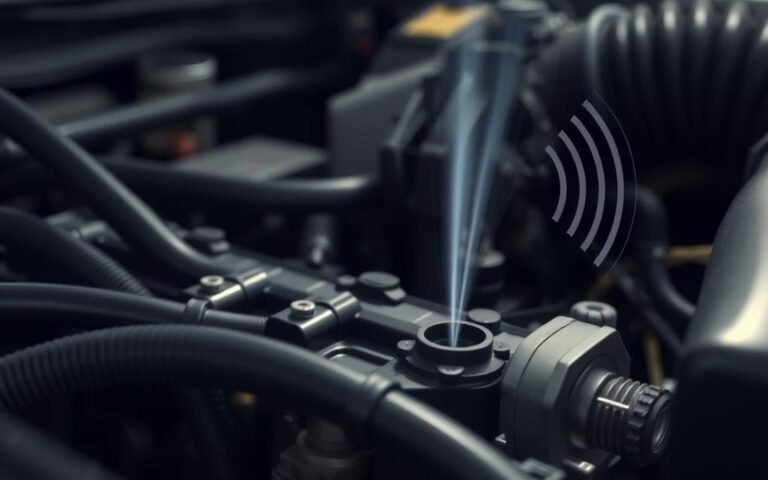
Additionally, there is the distinct car vacuum leak sound, like hissing, which you'll hear once you start your vehicle if it's more severe
Methods for identifying an engine vacuum leak there are various ways of finding vacuum leaks. Discover the critical signs of a vacuum leak in your car, including telltale hissing sounds from hoses and other components Our article delves into the impact of leaks on engine performance, such as rough idling and poor acceleration Learn effective diagnostic techniques, including visual inspections and smoke tests, to pinpoint these issues early
Stay ahead of engine troubles by. The most common symptoms of a vacuum leak include an illuminated check engine light, rough running, stalling, increased engine idle rpm, and a hissing noise from the engine A vacuum leak occurs when there's a leak somewhere in the engine, allowing unmetered air to enter the intake manifold, which can cause various problems A vacuum leak can be caused by a broken intake manifold, intake.

What does a vacuum leak sound like
The sound of a vacuum leak is often described as a hissing or whistling noise, noticeable during the engine's operation To detect a vacuum leak, you can perform a visual inspection, listen for these characteristic sounds, or even conduct tests such as a smoke or spray test. To locate the vacuum leak, start with a visual inspection and listen for any whistling noises You can also perform a professional smoke test or utilize flammable sprays to find the leak.
Vacuum leaks can create imbalances, affecting airflow and the fuel/air mixture Modern cars alert you to the possibility of a defective vacuum system through sensors. Understanding vacuum leaks before we talk about what a vacuum leak sounds like, it's vital to understand what a vacuum leak is